Tropical Diving |
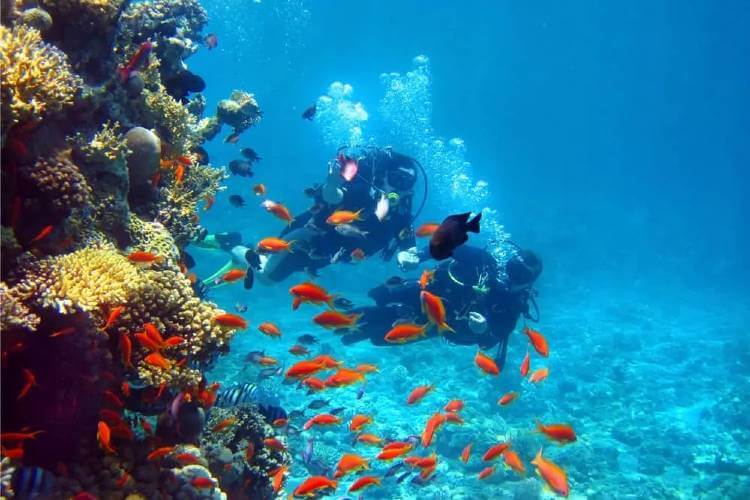
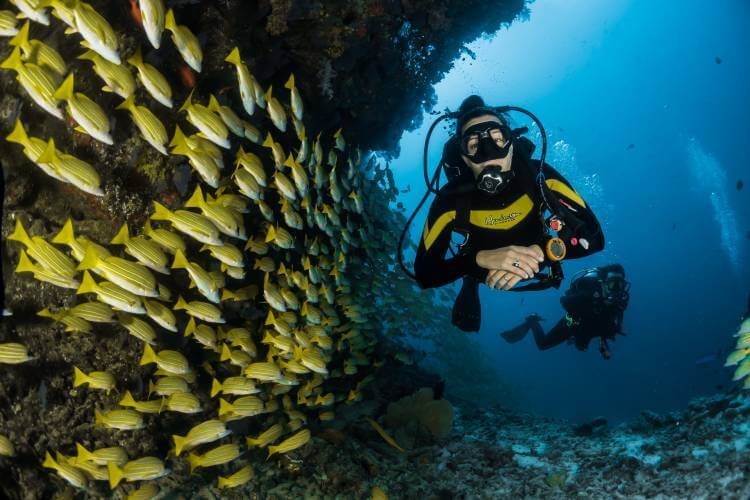
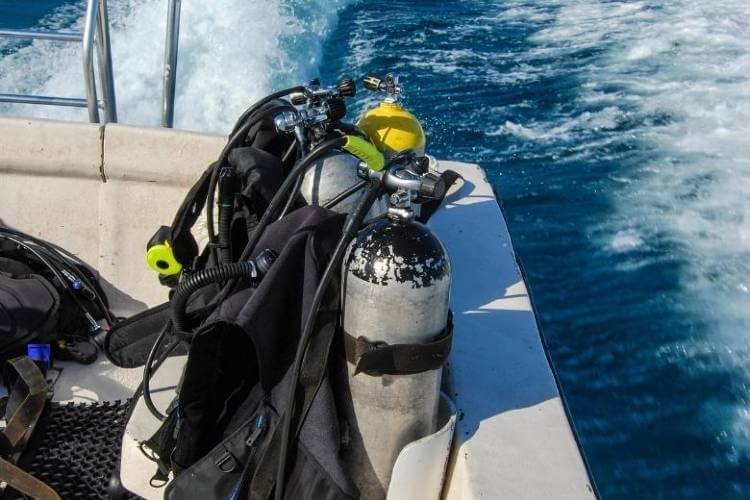
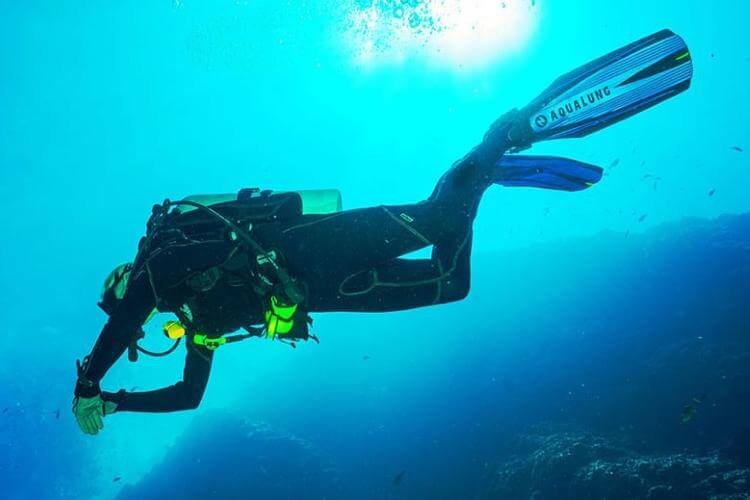
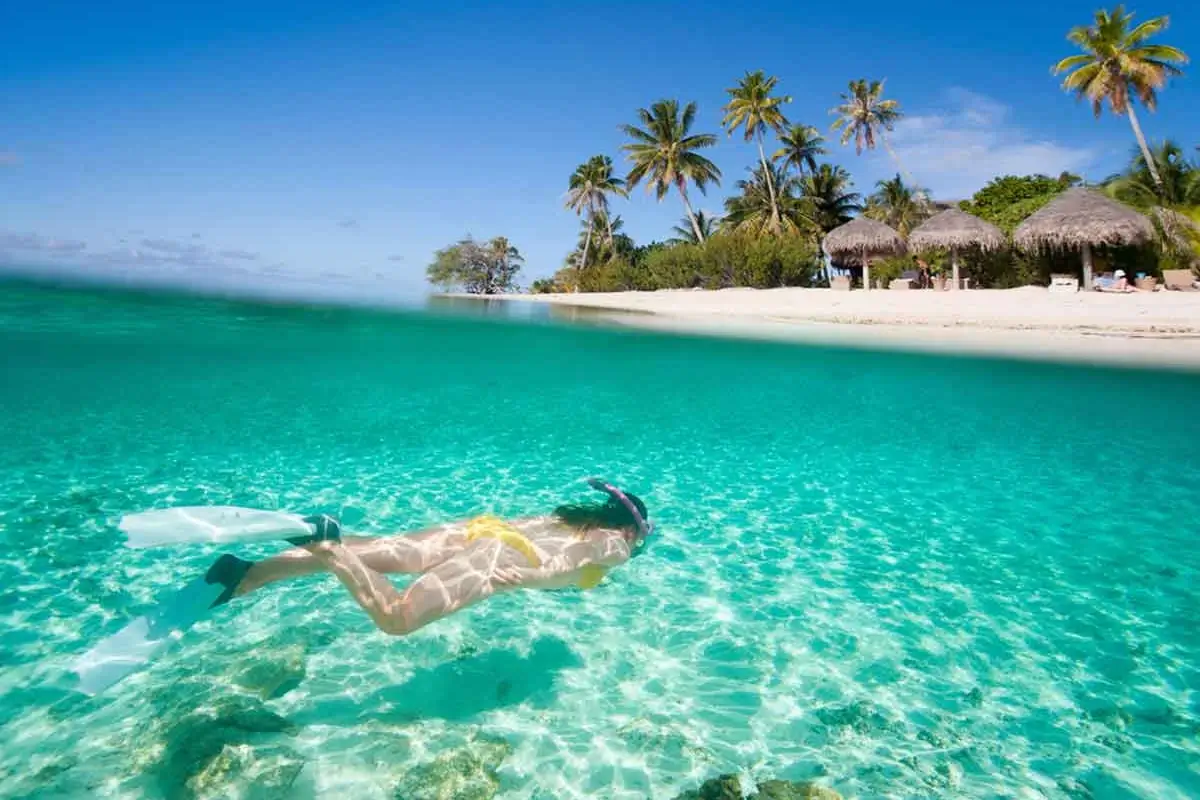
Diving In The Tropics - Intro Diving in the tropics is very attractive due to the warm water and pleasant sunny conditions. There are several different underwater environments in tropical waters, but the most popular with divers is the coal reef. Coral reefs generally have good visibility, a variety of corals and colourful fish life explain why many divers travel, to distant parts of the world in order to dive on coral reefs. Tropical Diving HazardsHazards in the tropics can differ to those of a temperate environment, the conditions underwater are very often easier and pleasanter. This is mainly due to the sea water temperature being in the region of 26-32 Celsius, which is warmer than most swimming pools. The increased water temperature is mirrored on land by not only much hotter air temperatures, but by considerable stronger sunlight. For the typical tourist visitor who is a pale skinned North European there is a marked increased risk of sunburn. A hat should be worn at all times and sun cream (factor 30+) applied during daylight hours. The extreme sunlight can have a detrimental effect on diving equipment and consequently all cylinders, rubber items and cameras should be kept in the shade at all times. Coral ReefsThe majority of tropical diving is carried out on the coral reefs. Coral reefs encircle most tropical shores. Colonizing polyps, which continually secrete calcareous skeletons, form coral reefs. Within these coral-creating animals live single-celled algae, which, as with all plants, need sunlight to live. As a result, coral reefs only flourish in warm sunlit conditions. Diving In The TropicsThe image of bikini-clad tropical divers is somewhat misleading as the very nature of all coral reefs requires protective clothing of some form to be worn. While the water is generally warm, prolonged submersion in all but the equatorial waters will result in considerable chilling, especially below 20 meters. It is recommended that at least a 4mm wetsuit jacket or 'shorty' wetsuit be worn. Reef gloves are a wise choice as any cuts tend to get infected in the tropics very quickly. Be aware though that some dive operators prohibit dive gloves for fear that some divers wish to touch the reef. European divers generally are used to a relatively safe, smooth or silty seabed. However, reef diving generally precludes direct contact with the coral, and this can take a little getting used to, especially with some 'touchy-feely' divers. The greater clarity and warmth of tropical waters can easily lure the unwary northern diver into overstaying his bottom time. There is little perceptible change in watercolour in the initial 40-50 meters of tropical water and, in addition, the added confidence and comfort generally result in a more economical use of air. Unless care is taken to check your depth gauge and dive watch, it is very easy to go too deep for too long. As very many tropical dives are carried out on the vertical wall of the fore reef, precise, dive organization and leadership, along with careful weighting, are prerequisites for safe diving. The black depths of temperate waters wall diving are rarely apparent in tropical diving and awareness of depth is an important skill to develop at an early stage. Many divers new to the tropical dive scene will be diving with unfamiliar, hired equipment, and often with buddies of different nationalities who may well have come through different training systems. It is important to make yourself familiar with each others dive signals and emergency procedures. Night diving on tropical reefs can showcase a reefs marine life in dramatic fashion. Nocturnal hunters like the barracuda hunt by night usually and if you're lucky you may catch it feeding! The corals polyps open and feeding, turtles and octopus can be active too. These creatures are easily dazzled and approached. Full protective clothing is even more essential at night, as unseen dangers such as jellyfish are ever present. Tropical Reef SummaryProtect yourself against the sun. Never dive without a dive computer and suitable clothing.
Diving from smaller vessels | Diving from larger vessels| Boat Handling| Low Visibility Diving |